The Cursor Knows When You're Thinking
Without it, an empty text box feels unfinished; with it, the same emptiness feels like an invitation. One tiny animation quietly tells your brain: something is waiting to become a thought.

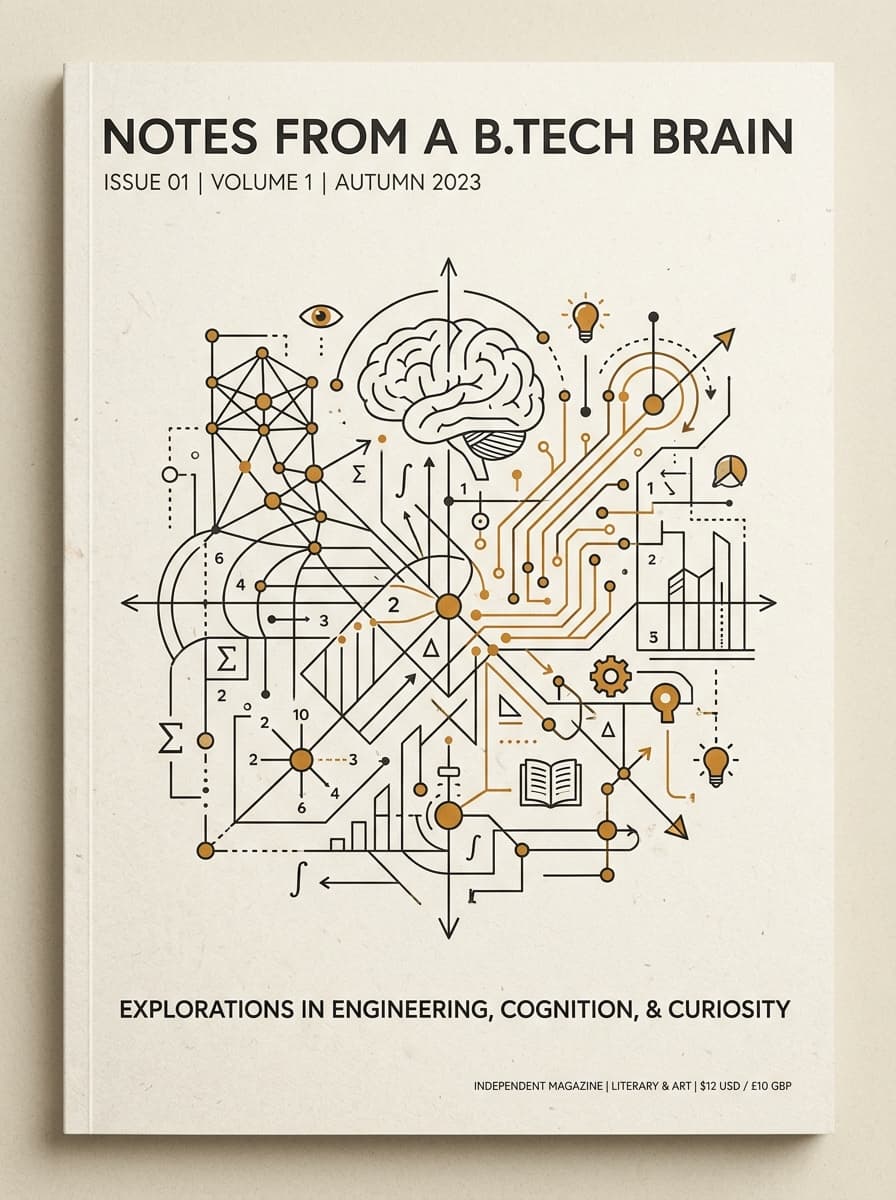
"Explorations in engineering, cognition, systems, and the anatomy of human curiosity."
The inaugural publication of Notes From a B.Tech Brain. A curated compendium examining first-principles debugging, high-dimensional vector spaces, the Lindy effect in software craft, and sensory field notes from late-night hardware labs. Crafted on tactile off-white stock with bespoke technical schematics.
Deep technical analysis, architecture dissections, and observations on software craft.
Without it, an empty text box feels unfinished; with it, the same emptiness feels like an invitation. One tiny animation quietly tells your brain: something is waiting to become a thought.
I just found out what Claude is actually doing while I wait for it to answer my prompts, and it’s kinda wild. Here is what’s actually happening under the hood when we use reasoning models for our engineering work.
Vibe coding, originality, software engineering, debugging, writing, the Spiral Model, and why I think the conversation around AI is often focused on the wrong thing.
I sat down to write a fourth year reflection. Instead, I accidentally discovered I might already be overworked.
Bound editions, hardcover studies, and previews designed to last longer than ephemeral browser tabs.

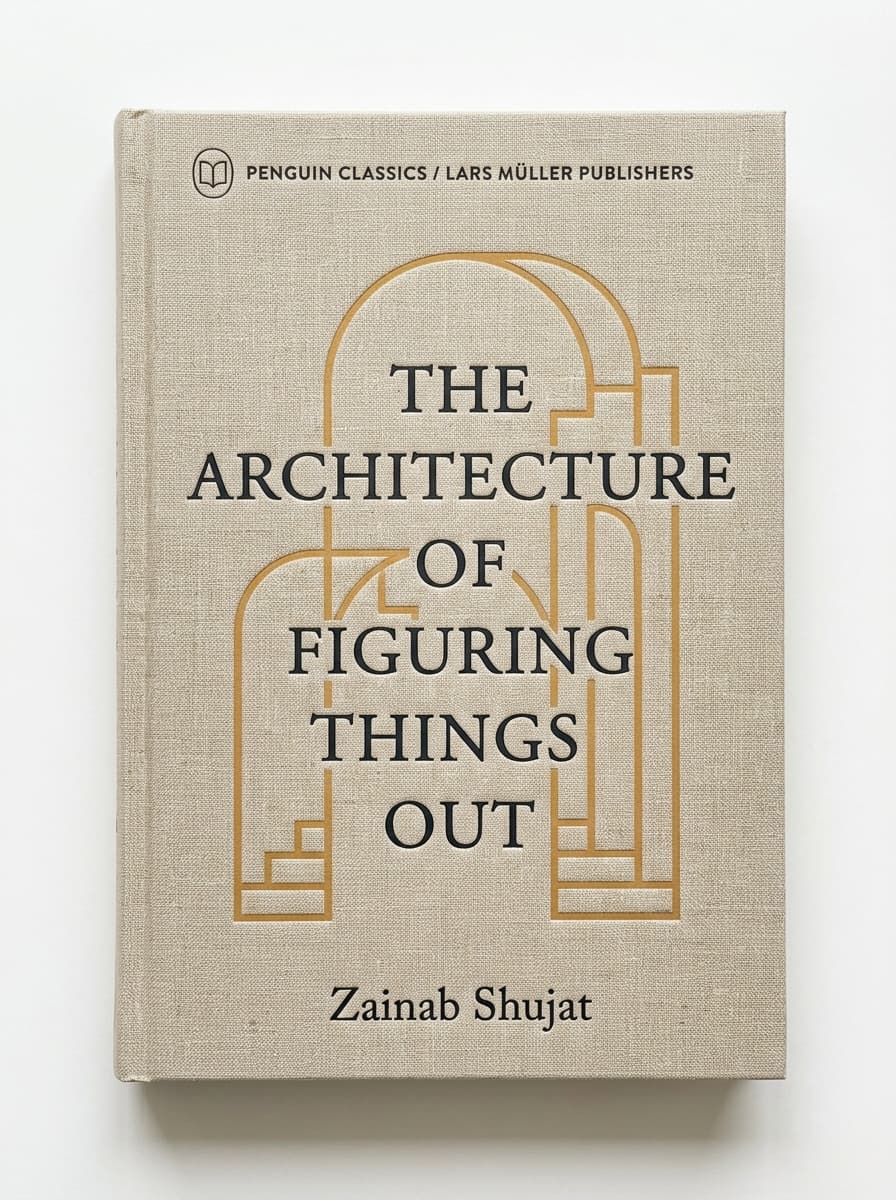
A personal, rigorous inquiry into how engineers bridge the chasm between raw theory and practical mastery. Blending computer science fundamentals with philosophical discipline and student candor.

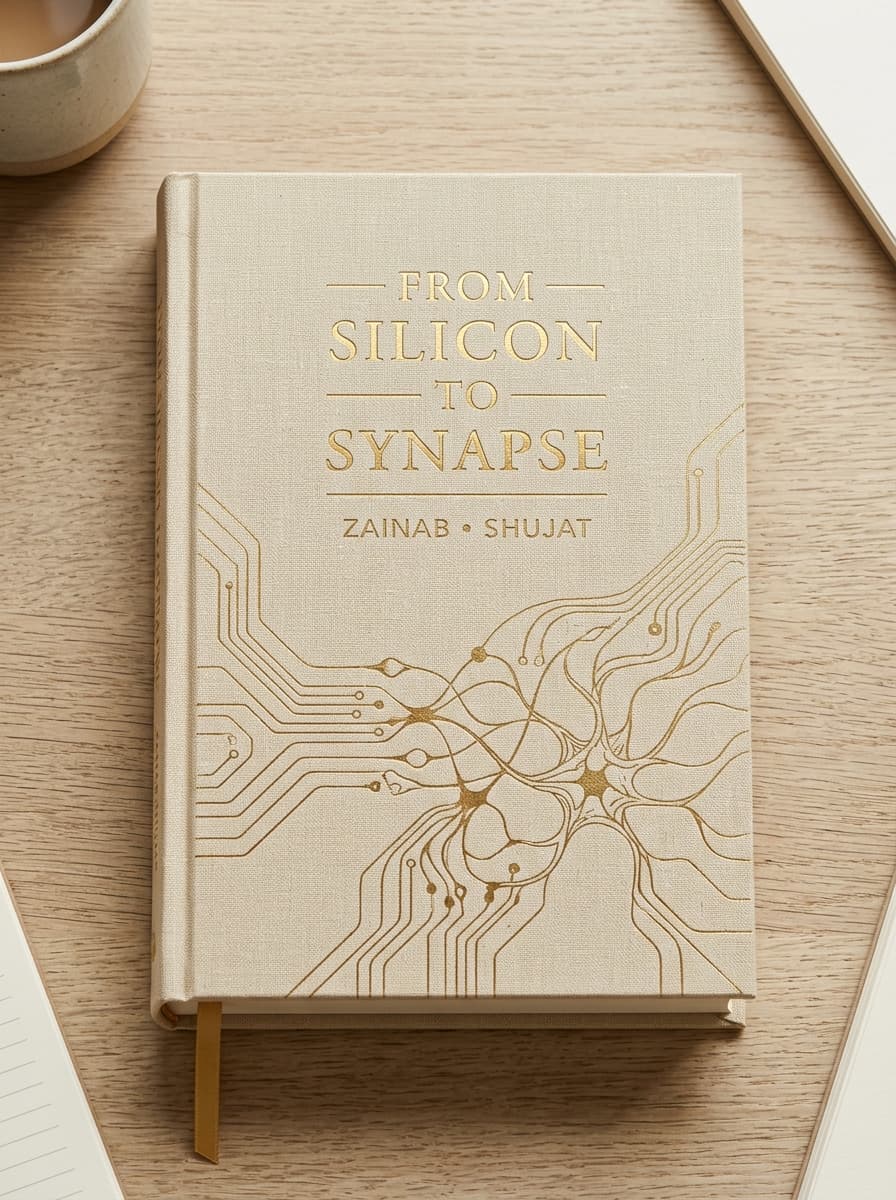
A technical exploration tracing computation from the gate-level physics of semiconductor transistors to the associative manifolds of modern transformer models. Expected late 2026.
Most technical writing online is optimized for clicks, quick searches, or promotional hype. Notes From a B.Tech Brain is an antidote to algorithmic disposability: an independent press where engineering students, developers, and curious thinkers can read rigorously researched, beautifully typeset studies on computing, cognition, and craft.
Founded and written by Zainab Shujat during her engineering journey, each monthly issue and book is conceived as a durable artifact—available digitally DRM-free and in tactile print editions.
"We study compilers not because we want to write one every day, but because understanding the machine transforms how we look at every single line of code we will ever touch."
Every month, Zainab publishes a curated digital dispatch: unreleased field notes, annotated papers, architectural diagrams, and early drafts of upcoming book chapters. No spam, no algorithmic noise.